
Lessons from Traditional Indian Homes: Passive Design Strategies for a Sustainable Future
Indian traditional houses were masterfully constructed to incorporate a deep understanding of climate, materials, and lifestyle, serving as passive cooling systems before the widespread use of air conditioners. As cities continue to grow hotter, these time-tested ideas offer valuable lessons for modern real estate and architecture.
Finding Balance in Design
- Orienting Homes with Care: Traditional homes were carefully positioned to take into account the sun's path and prevailing winds, allowing for cross-ventilation and minimising harsh sunlight through strategic placement of walls and shaded areas.
- Natural Materials for Energy Efficiency: Materials such as mud, stones, lime, and clay roof tiles were widely used due to their insulating nature, with thick walls acting as a barrier to slow down heat transfer and maintain cooler interiors.
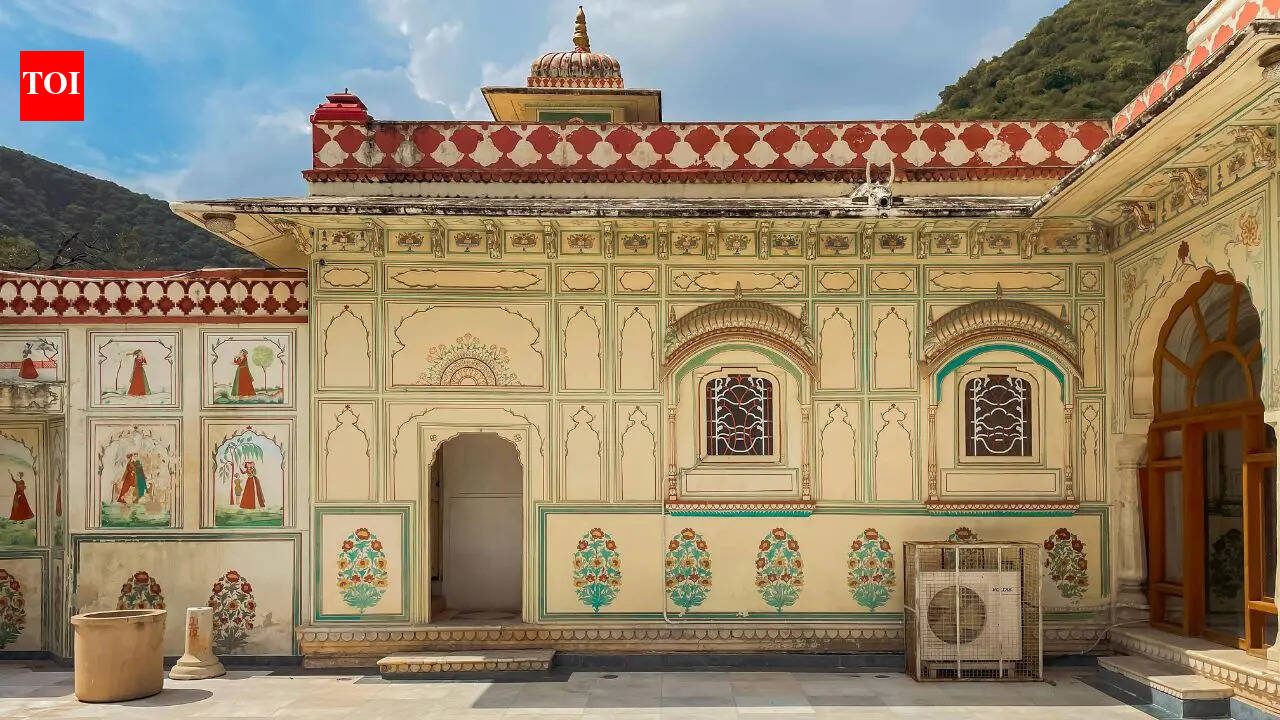
- Courtyards: A Natural Cooling System: The prominent feature of traditional Indian homes, courtyards facilitated the upward movement of hot air while bringing in cool air from adjacent shaded locations, often coupled with vegetation and water bodies.
Applying Traditional Wisdom to Modern Architecture
By reintroducing these passive design strategies, modern architecture can reduce dependence on air conditioning, creating more sustainable, energy-efficient, and comfortable buildings. This blend of traditional wisdom and contemporary needs can lead to greener buildings that benefit both occupants and the environment.
The Future of Sustainable Buildings
Traditional Indian houses demonstrate that comfort does not require complex technology, but rather can be achieved through proper design. As cities face increasing heat levels and energy problems, it is time to adopt these concepts and create smarter, more sustainable buildings for a better future.