
The World Trade Centers Association has entered India’s logistics and warehousing sector through projects in Nhava Sheva and Thane, marking a strategic expansion beyond its traditional office real estate business.
WTCA grants licenses to member organisations that operate commercial properties and provide integrated trade services under the WTC brand. As an international trade organisation, WTCA owns the World Trade Center trademark and boasts a network of 300 WTC locations across 100 countries and territories.
In addition to branded facilities, WTCA facilitates cross-border trade and investment by connecting businesses, governments, and trade organisations, helping local economies compete on a global scale.
Scott Wang, vice president for the Asia Pacific region at WTCA, stated that the logistics and warehouse project being developed by the Welspun Group in Thane and Nhava Sheva marks WTCA’s entry into this space. He highlighted the need to evolve with the market and adapt to the changing landscape, particularly with the growth of e-commerce and digital businesses.
This initiative is seen as an experiment for WTCA, and depending on its success, there may be opportunities for expansion in this segment.
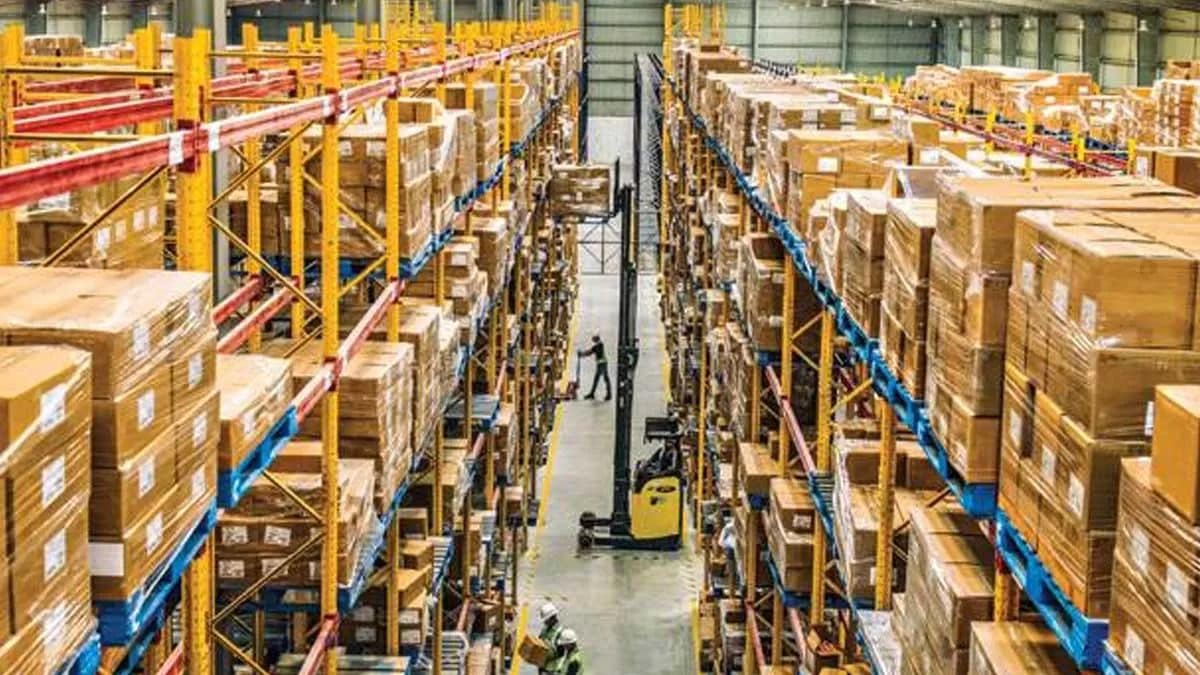
The Gateway World Trade Centre in Nhava Sheva focuses on port logistics and is situated within the Jawaharlal Nehru Port Authority Special Economic Zone (JNPA). It represents the largest single-location, port-based logistics ecosystem in India, across 55 acres with a capacity of 3.6 million square feet. Wang said the WTC would facilitate connections to other port cities, enabling the use of their networks to promote international partnerships and business opportunities.
The World Trade Centre in Thane is an integrated development covering one million square feet, featuring Grade A commercial offices, an urban distribution centre, and retail spaces. The facility can leverage WTC’s expertise in logistics, warehousing, e-commerce, quick commerce, and global capability centres.
Globally, WTCA has a limited presence in Free Trade Zones in Latin America, but nothing on the scale they are attempting in India, Wang noted.
B2B matchmaking, which connects businesses with international partners, investors, and distributors, is one of the core services WTCA offers its members. This service is an important differentiator in the market. WTC office spaces command a premium due to the services they provide, and Wang expressed confidence that similar value could be added in the logistics and warehousing sector.
According to Wang, India is one of WTCA’s most significant and fastest-growing regional markets globally. The association is present in 33 cities and expects to expand to 40 cities in the next 2-3 years, increasing to 50 cities within five years. In the past year, four new cities have been added. India is on track to become one of the largest regional networks within WTCA’s global framework. Worldwide, WTC plans to increase its locations from 300 to 500.
Wang pointed out that while there is an oversupply of office space globally, leading to challenges associated with remote work, India remains an outlier. Premium office space in India continues to be in high demand, and vacancy rates are some of the lowest seen in several years, he said. For example, occupancy at the WTC in Pune was at 98%, prompting the Panchshil Group to consider expansion and adding more properties.
The market is evolving beyond just IT and Global Capability Centre-anchored tenants. The WTC in Andhra Pradesh now accommodates biotech, pharmaceuticals, medical devices, and new-age startups. WTC Bengaluru exemplifies the mixed-use ‘work-live-play’ model. Emerging corridors for WTC include Andhra Pradesh’s med-tech zone, Telangana’s Genome Valley and Future City (focused on IT/AI), and logistics hubs in Bhiwandi and Nhava Sheva, developed in collaboration with Welspun.
Having worked in the U.S., China, and India, Wang leads WTCA’s efforts to develop business relations in the Asia Pacific region. Companies currently face challenging times as the international trade system becomes more divided and fragmented.
However, Wang is optimistic that a more balanced version of international trade will emerge. He acknowledged that companies now need assistance more than ever and affirmed that WTCA has the resources, knowledge, and connections to provide that support.
Wang also noted that India must work on the ease of doing business, invest in infrastructure, and become more attractive for foreign direct investment (FDI). WTCA remains committed to promoting fair trade, open markets, and healthy competition, he said.