
Transformative Indian Architecture: 5 Landmarks That Redefined Modern Design
Contemporary Indian architecture seamlessly blends international modernity with indigenous practices, evolving from merely imitating Western models to creating unique designs that respond to the country's climatic conditions and socio-cultural environment. These design principles have significantly influenced modern real estate projects, shaping the way homes and urban spaces are planned and built.
Five Iconic Examples of Climate-Responsive Modern Architecture in India
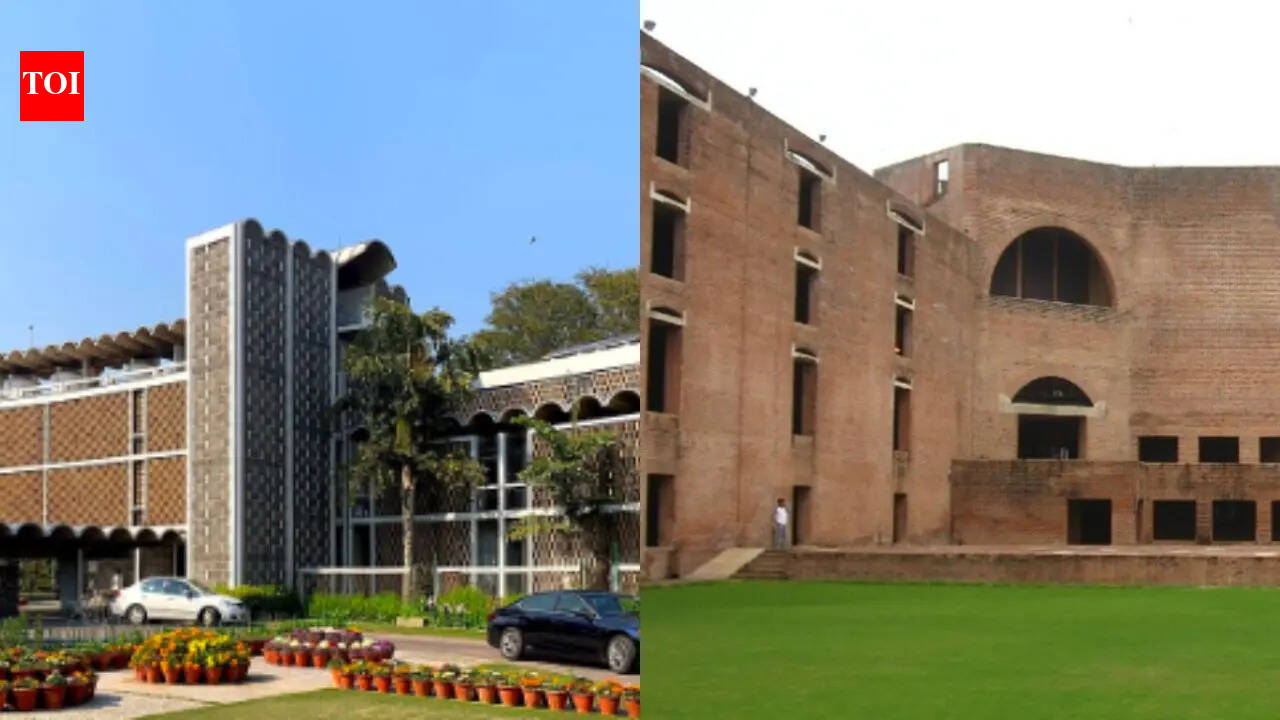
- The India International Centre (IIC) in New Delhi, a landmark designed by Joseph Allen Stein that integrates low-rise structures with courtyards and landscaped gardens, reflecting Stein's philosophy of human-scale, environmentally sensitive design.
- IIM Ahmedabad, a masterpiece of exposed brick architecture, completed in 1974 by Louis Kahn, featuring monumental geometric forms that combine modernist principles with Indian sensibilities.
- The Indian Coffee House in Thiruvananthapuram, designed by Laurie Baker, distinguished by its characteristic spiral form and environmentally friendly technologies, making efficient use of local building materials and creating a system of natural ventilation.
- The Habitat Centre in New Delhi, a building that prioritizes sustainable design and energy efficiency, incorporating passive cooling and efficient design principles.
- The Indian Institute of Technology (IIT) Kanpur, designed by architect Raj Rewal, featuring a unique blend of modern and traditional Indian architecture, with a focus on energy-efficient design and environmental sustainability.
These iconic buildings have inspired modern real estate developments to prioritize sustainability, climate responsiveness, and culturally rooted design when shaping future urban spaces.