
India's Residential Real Estate Market: Trends, Opportunities, and Challenges
India's residential real estate market has witnessed a sharp rise in property prices over the past few years, raising questions around affordability, luxury housing demand, project execution, and the sustainability of the current upcycle.
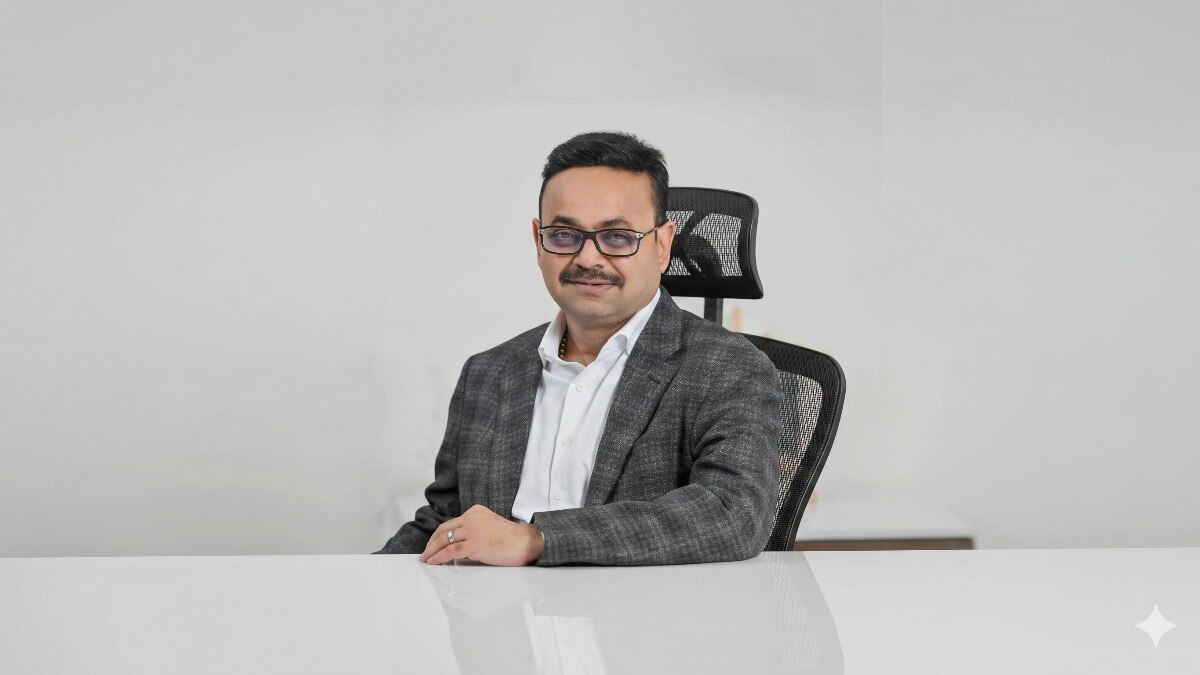
Interview with Shekhar G Patel, President of CREDAI
Shekhar G Patel, President of CREDAI (Confederation of Real Estate Developers' Associations of India), shared his views on pricing, supply trends, homebuyer demand, regulatory reforms, infrastructure-led growth, and the sector's long-term outlook.
Concerns around Affordability and Demand
Business Today: Property prices across major cities have risen sharply over the last three years, while income growth has been far more modest. Has Indian real estate become disconnected from household affordability, and do you see a risk of pricing out genuine homebuyers?
Shekhar G Patel: The larger issue today is not demand. The larger issue is affordability in certain segments, particularly for first-time homebuyers and middle-income households. Property prices have certainly moved up across major cities, but they have done so alongside rising land costs, construction expenses, financing costs, and compliance-related charges.
Supply Trends and Market Dynamics
Business Today: Developers continue to launch new projects aggressively, particularly in the premium, luxury, and ultra-luxury segment, but several cities still carry substantial unsold inventory. Are developers prioritising sales momentum and valuations over actual demand absorption, and could this create oversupply risks in the next cycle?
Shekhar G Patel: The positive difference today is that the sector is operating with far greater discipline. Developers are no longer launching projects based purely on future expectations. Regulatory reforms, stronger financial oversight, and more informed homebuyers have fundamentally changed the way supply decisions are being made.
Impact of Luxury Housing on the Market
Business Today: Luxury and ultra-luxury housing have become the biggest growth drivers in many markets. Is the industry becoming overly dependent on affluent buyers while neglecting the mass housing segment, which represents India's real housing demand?
Shekhar G Patel: Luxury housing may be driving headlines, but it is not driving the entire housing market. India's housing story continues to be shaped by demand across multiple segments, particularly among middle-income and aspiring homebuyers.
Employment Generation and Economic Impact
Business Today: Real estate contributes significantly to India's GDP and employment, but it is also a major consumer of land, capital, and credit, while being a major contributor to employment directly and indirectly. How do you respond to concerns that the sector may not generate sufficient employment in the current volatile economic scenario?
Shekhar G Patel: The employment impact of real estate is often viewed too narrowly through the lens of construction activity alone. In reality, real estate supports a much larger economic ecosystem that includes manufacturing, logistics, financial services, engineering, architecture, and a wide range of allied industries.
Infrastructure-Led Growth and Accountability
Business Today: Homebuyers increasingly pay premium prices based on promised infrastructure projects, but many of these projects face delays. Should developers bear greater accountability when infrastructure-linked promises fail to materialise on time?
Shekhar G Patel: Homebuyers are justified in considering future infrastructure while making purchase decisions. Equally, developers have a responsibility to communicate infrastructure-linked opportunities accurately and responsibly.
Reforms and Improving Trust in the Sector
Business Today: Despite RERA, project delays, litigation, and customer grievances remain common. What specific reforms would CREDAI like to see, and what responsibility should developers themselves take to improve trust in the sector?
Shekhar G Patel: The most important change brought about by RERA is that it has fundamentally improved transparency and accountability across the real estate sector. The market today is significantly more structured and consumer-focused than it was a decade ago.
Long-Term Outlook and Structural Demand
Business Today: Many industry leaders argue that India is in the early stages of a long-term real estate upcycle. Yet valuations in some micro-markets have risen 40–70% in a short period. What indicators convince you that this is structural demand rather than the beginning of another property bubble?
Shekhar G Patel: If this were a speculative cycle, the market would be displaying very different characteristics from what we are seeing today. The defining feature of the current market is the strength of end-user demand.