
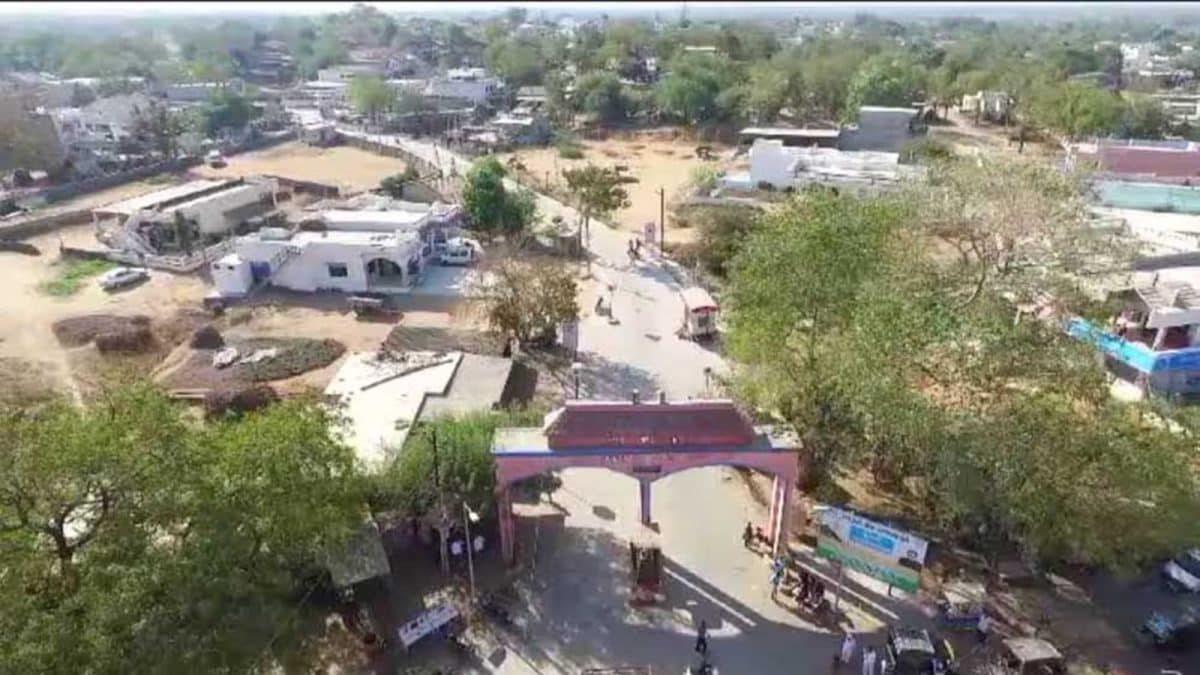
Indian Villages Quietly Redefine Smart Living
From digital payments and solar power to seamless governance, these Indian villages are redefining what "smart living" looks like in everyday life.
Contrasting the Idea of Smart Villages and Cities
When most people think of a village, they picture something slower, less connected, maybe even behind the times. However, in parts of India, some villages have quietly built systems that feel just as advanced, and in some cases even more practical, than what you'd find in many global smart cities.
Examples of Advanced Villages
- Punsari: Wi-Fi, CCTV cameras, and digital services are an integral part of daily life, not something that's pointed to as "development." It's just what works.
- Hiware Bazar: Better water management changed how people farm and earn, without big announcements or fanfare.
- Dharnai: Solar power isn't treated as a big idea, it's simply how the lights stay on.
A Key to Success: Unremarkable Technology
The difference lies not just in the presence of technology, but how unremarkable it feels. People just use what works, without fuss or fanfare.
The Importance of Scale and Feedback
- Small villages don't get stuck in the same way big cities do. If something needs to be fixed or changed, it happens faster, with immediate feedback.
- People notice immediately if something works or doesn't, and that feedback loop is much tighter.
The Role of People in Village Development
These systems aren't dropped in from outside and left there. They tend to evolve with the village, shaped by a certain level of trust and shared understanding.
Challenging the Idea of Smart Places
It's not just about having the right tools, but whether people actually use them, and whether they fit into how life already works.
Practical Solutions in Everyday Life
In many of these villages, the answer to whether systems make life simpler is yes. They're solving real problems in practical and efficient ways, without the need for flashy projects or towering skylines.
Innovation Beyond Cities
Instead of cities always leading and villages following, the direction can sometimes reverse. Innovation often works best where it can be used simply, and where it actually fits into everyday life.