Private credit demand rises as housing sales slow
28 Apr 2026
A slowdown in residential property sales is driving a rise in demand for private credit from real estate developers, with lenders reporting a 10–20% increase in deal pipelines as builders seek to bridge cash flow gaps and sustain project execution.
Housing sales across the top seven cities declined 14% year-on-year in 2025, weighed down by high prices, IT sector layoffs and global uncertainties, including the West Asia conflict, according to Anarock Research. The trend has continued into early 2026, with sales in the March quarter falling 7% sequentially.
With collections from homebuyers moderating, developers are increasingly turning to external funding to meet ongoing obligations such as land payments, approvals and construction costs.
“We are witnessing a healthy increase in deal pipelines and expect deployment in residential credit to see a meaningful uptick in the coming months,” Anand Lakhotia, managing director and co-head of real estate at Motilal Oswal Alternates, said. He said the firm’s deal pipeline has risen 10–20% in recent months.
“This is typically the phase when good developers look for more flexible capital for land-linked obligations, approval costs, construction support, or refinancing of relatively expensive debt,” he added. Motilal Oswal Alternates had raised a Rs 2,000 crore real estate fund in July last year.
Industry estimates suggest that about $1 billion of private credit deals are struck annually in real estate, with 60–70% directed towards residential assets. Knight Frank India expects this to rise to $2–3 billion as sales moderate and reliance on customer advances reduces.
The country could account for 20–25% of Asia Pacific’s projected $90–110 billion private debt market by 2028, supported by regulatory changes and growing demand for flexible financing.
Developers are facing slower conversion of enquiries into bookings, even as overall interest from buyers remains intact.
"While site visits and enquiries remain stable, conversion rates have softened slightly, leading to slower sales velocity. This, in turn, is expected to create project-level cash flow mismatches and some repayment pressure for developers,” Karthik Athreya, managing director at Sundaram Alternates, said.
He said the firm is seeing a 10–15% increase in private credit demand, largely for working capital support and refinancing. Rating agency Ind-Ra expects demand growth in the sector to moderate to 10–12%, compared with over 30% compounded annual growth seen over the past five years for large developers.
As internal accruals weaken, developers are drawing more heavily on sanctioned debt lines. “Earlier 40% of construction finance lines were lying unutilised as sales were good. Now they will use 80% of lines as sales are slow,” Amit Bagri, managing director and chief executive at Kotak Mahindra Investments, said.
He added that tighter project finance norms from the Reserve Bank of India are also limiting access to top-up loans, prompting developers to secure larger funding lines upfront. Data from Vestian shows new completions declined 36% quarter-on-quarter to 9.7 million square feet in the March quarter, the lowest in the past four quarters, as developers calibrated construction in line with collections.
Vipul Roongta, CEO and managing director at HDFC Capital Advisors, said utilisation of financing lines is expected to rise from 50–60% to 70–80% across stages of project development. “Even at 50–60% completion, developers are proactively utilising financing lines to ensure smooth execution of the remaining construction and timely delivery,” he said.
Lenders said demand remains concentrated in tier-1 cities and established micro-markets, particularly in mid-income and upper mid-income housing, where end-user demand persists but sales cycles have lengthened.
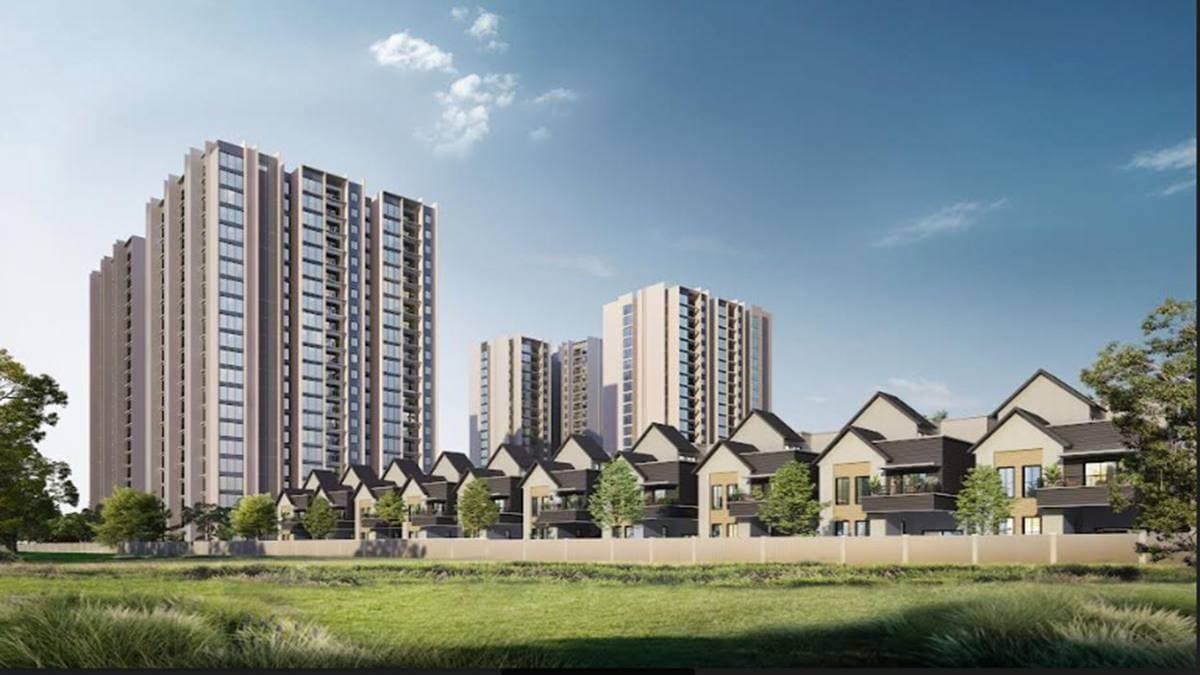
Housing Sales Decline in Top Seven Cities Amid Global Uncertainties
Housing sales across the top seven cities in 2025 declined by 14% year-on-year, weighed down by high prices, IT sector layoffs, and global uncertainties, including the West Asia conflict, according to Anarock Research.
The trend has continued into early 2026, with sales in the March quarter falling 7% sequentially.
Developers Turn to External Funding Amid Declining Sales
With collections from homebuyers moderating, developers are increasingly turning to external funding to meet ongoing obligations such as land payments, approvals, and construction costs.
- Developers are witnessing a healthy increase in deal pipelines.
- Deployment in residential credit is expected to see a meaningful uptick in the coming months.
Motilal Oswal Alternates Sees Opportunity in Real Estate
"We are witnessing a healthy increase in deal pipelines and expect deployment in residential credit to see a meaningful uptick in the coming months," Anand Lakhotia, managing director and co-head of real estate at Motilal Oswal Alternates, said.
The firm's deal pipeline has risen 10–20% in recent months.
Private Credit Deals on the Rise in Real Estate
Industry estimates suggest that about $1 billion of private credit deals are struck annually in real estate, with 60–70% directed towards residential assets.
Knight Frank India expects this to rise to $2–3 billion as sales moderate and reliance on customer advances reduces.
Regulatory Changes and Growing Demand Drive Growth in Private Debt Market
The country could account for 20–25% of Asia Pacific's projected $90–110 billion private debt market by 2028, supported by regulatory changes and growing demand for flexible financing.
Developers Face Challenges in Sales and Cash Flow
Developers are facing slower conversion of enquiries into bookings, even as overall interest from buyers remains intact.
- Conversion rates have softened slightly, leading to slower sales velocity.
- This is expected to create project-level cash flow mismatches and some repayment pressure for developers.
Lenders See Rise in Utilisation of Financing Lines
"Earlier 40% of construction finance lines were lying unutilised as sales were good. Now they will use 80% of lines as sales are slow," Amit Bagri, managing director and chief executive at Kotak Mahindra Investments, said.
Data from Vestian shows new completions declined 36% quarter-on-quarter to 9.7 million square feet in the March quarter, the lowest in the past four quarters, as developers calibrated construction in line with collections.
Developers Proactively Utilising Financing Lines
Vipul Roongta, CEO and managing director at HDFC Capital Advisors, said utilisation of financing lines is expected to rise from 50–60% to 70–80% across stages of project development.
"Even at 50–60% completion, developers are proactively utilising financing lines to ensure smooth execution of the remaining construction and timely delivery," he said.
Lenders See Demand in Tier-1 Cities and Established Micro-Markets
Lenders said demand remains concentrated in tier-1 cities and established micro-markets, particularly in mid-income and upper mid-income housing, where end-user demand persists but sales cycles have lengthened.