
Industrial growth in Manesar and Jhajjar is reshaping NCR’s housing market, with manufacturing jobs and global investments driving demand for homes near workplaces.
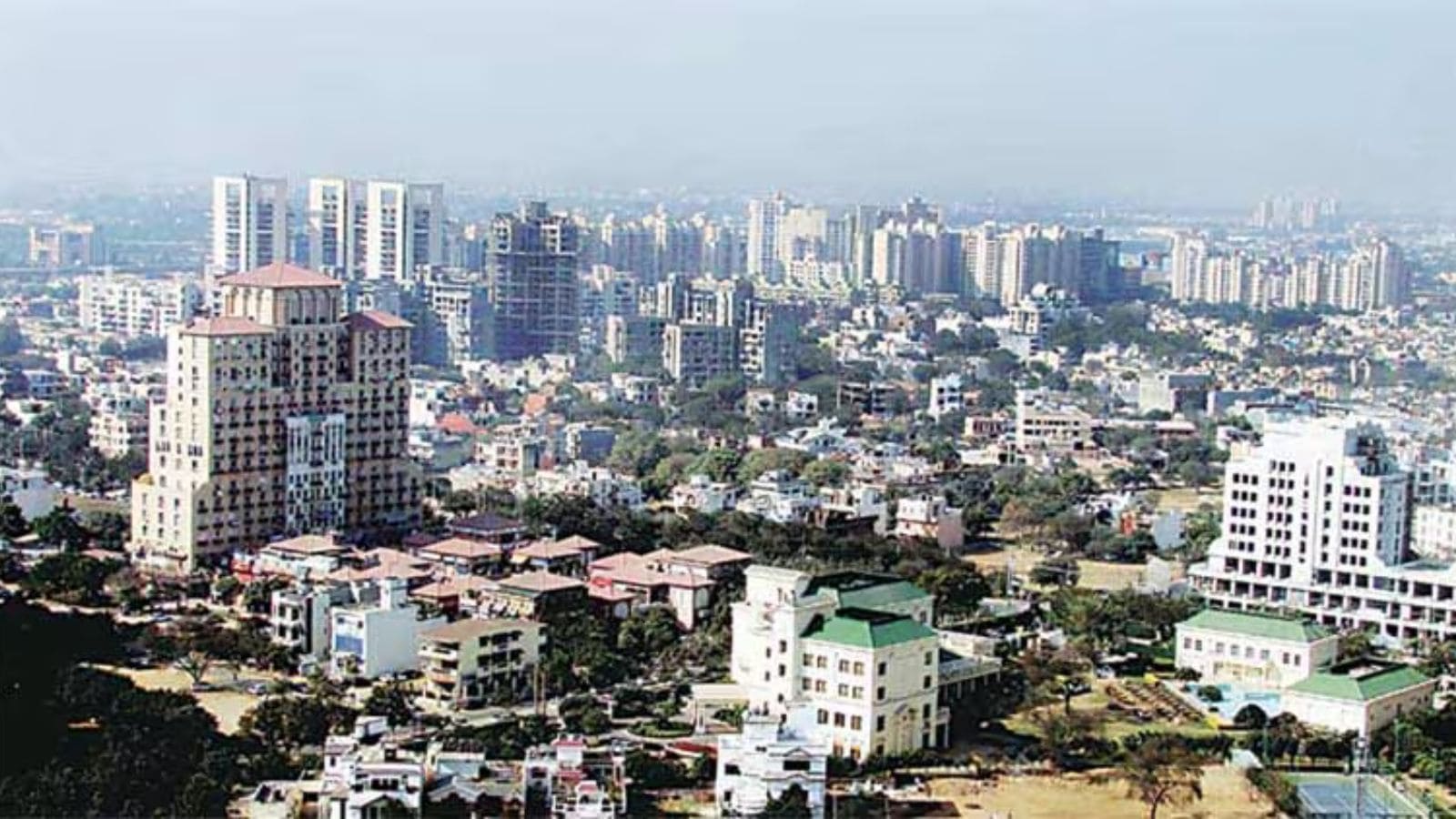
The capital influx is bringing with it a steady stream of international technical experts and operational professionals, creating a demand for housing that prioritizes proximity to factory floors over the city skyline, experts opine.
In Jhajjar, Reliance MET City, spread across 8,000 acres near the KMP Expressway, currently houses over 650 companies from 11 countries and employs more than 40,000 people.
To capture the housing demand of this localised workforce, the project is expanding its residential footprint with a new 140-acre township.
Shrivallabh Goyal, CEO of Reliance MET City, highlighted the demographic shift driving this development: “What we’re seeing across NCR is a quiet but significant shift. Manufacturing isn’t just creating jobs anymore. It’s beginning to reshape where and how people choose to live. At MET City, we host over 650 companies from 12 countries, including a dedicated Japanese Industrial Township and a growing cluster of Korean and European firms. These companies don’t just bring capital. They bring people.”
Story continues below this ad
Goyal added that the profile of these professionals dictates a new kind of real estate requirement. “Senior engineers, plant managers, and technical experts on short to medium-term postings, globally mobile, operationally driven, have little patience for long commutes from Gurgaon or Delhi. This workforce wants something different. They want to be close to the plant floor, the supplier ecosystem, and the operations they run. Convenience matters more than the city skyline. That’s why corridors like Manesar and Jhajjar are seeing real demand for walk-to-work neighbourhoods built inside the industrial belt.”
The market is already responding to this localised demand. Manesar, long established as a northern Indian manufacturing hub with major facilities for Maruti Suzuki, Honda Motorcycle, and Denso, is witnessing sharp real estate appreciation.
According to portal 99acres, flat prices in IMT Manesar have surged by 102.7 per cent over the last three years and 94.8 per cent over a five-year period.
Affordability and access
Industry experts noted that improving infrastructure is successfully bridging the gap between affordability and access. Shalin Raina, Managing Director of Residential Services at Cushman & Wakefield, observed: “The Gurgaon-Manesar belt is increasingly seeing residential demand strengthen alongside sustained industrial and manufacturing growth. As employment activity expands across manufacturing and allied sectors, there is a growing preference for quality housing closer to workplace hubs.”
Story continues below this ad
Raina further noted that the appeal extends beyond just factory workers. “At the same time, improving connectivity through NH-48 and key expressways is also attracting homebuyers working in Gurgaon’s central business districts, as these emerging corridors offer relatively better affordability while maintaining seamless access to major office hubs. This combination of industrial growth, connectivity, and improving social infrastructure is encouraging the development of integrated townships and organised residential communities, supporting the broader urban expansion of NCR beyond its traditional core markets.”
Developers are now recalibrating their projects to cater to this specific demographic. For instance, the Gurgaon International City (GIC) on the Dwarka Expressway Link Road is being developed as a 150-acre integrated urban ecosystem with planned investments of over Rs 7,200 crore.
The project aims to combine residential zones, EV hubs, and data centers into a single “live-work-unwind” ecosystem.
Ashish Jerath, President of Sales & Marketing at Smartworld Developers, pointed to the multinational nature of this new buyer base. “Over the past few years, there has been exponential growth in the global workforce relocating to the Gurgaon-Manesar-Neemrana belt, and this trend is expected to strengthen further in the coming years. The growing presence of expatriate professionals and global leadership teams from Japanese, Korean, European, and other multinational companies is being driven by accelerating manufacturing activity across these industrial corridors.”
Story continues below this ad
He added, “As a result, we are witnessing a clear shift in residential demand beyond traditional business districts towards well-connected, lifestyle-driven communities closer to workplaces. Going forward, walk-to-work developments and integrated townships with international-standard social and civic infrastructure are expected to emerge as key residential growth corridors, further strengthened by rapid infrastructure and connectivity upgrades across the region.”
Ultimately, the profile of the buyer in these peripheral corridors represents a definitive departure from the traditional NCR real estate model.
Sam Chopra, President and Country Head of eXp Realty India, summarised the transition: “We are witnessing a clear shift in how housing demand is evolving around NCR’s industrial corridors, especially across regions such as Jhajjar and Manesar. Unlike traditional residential demand linked to office districts, this demand is being driven by globally mobile technical professionals, leadership teams, and operational specialists associated with manufacturing and industrial ecosystems.”
“These professionals are looking for organised, professionally managed and well-connected living environments closer to industrial hubs, and this is creating an entirely new layer of residential and rental demand across NCR. Going forward, we believe manufacturing-led growth will play a much larger role in shaping urban development, housing formats and emerging residential corridors around Delhi NCR,” Chopra said.
Story continues below this ad
As industrial zones increasingly dictate rental and residential demand, time will tell how civic infrastructure keeps up.