
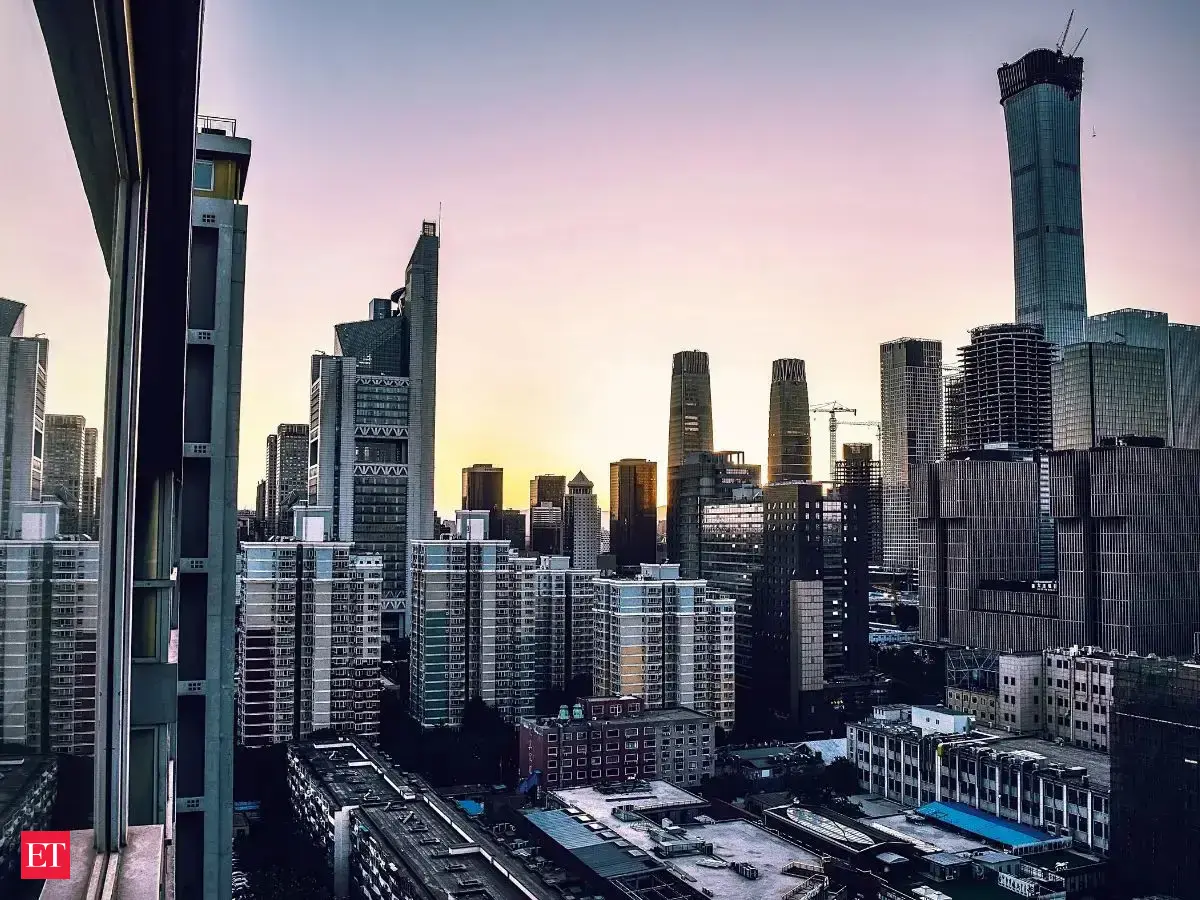
The World's Tallest Skylines: Top Cities for High-Rise Development
From financial centres to technology hubs, a handful of cities around the world boast the world's tallest skylines. Most of these cities are located in Asia, where rapid urbanisation, population growth, and land shortages have encouraged vertical development.
Leading Cities for High-Rise Construction
- Hong Kong - 1st globally with more than 550 skyscrapers
- Shenzhen - 2nd with over 400 skyscrapers
- New York City - 3rd with more than 300 skyscrapers
- Dubai - 4th with hundreds of skyscrapers
- Shanghai - 5th with nearly 200 skyscrapers
- Guangzhou - 6th with more than 190 skyscrapers
- Tokyo - 7th with over 170 skyscrapers
Hong Kong: A Leader in High-Rise Development
Hong Kong's limited land availability and dense population have pushed development upward for decades, resulting in one of the world's most recognisable skylines.
- The International Commerce Centre
- The Two International Finance Centre
Hong Kong's role as a major financial hub continues to support demand for office towers and residential high-rises.
Shenzhen: A Fast-Growing Skyscraper City
Shenzhen has emerged as one of the fastest-growing skyscraper cities in the world, transforming from a fishing town to a technology and manufacturing powerhouse.
- The Ping An Finance Centre
Rapid economic growth, major corporate headquarters, and continuous urban development have helped Shenzhen build one of the world's largest vertical skylines.
New York City: A Global Icon for Skyscrapers
New York City remains one of the world's most famous skyscraper destinations, home to iconic towers such as the One World Trade Center and the Empire State Building.
- One World Trade Center
- The Empire State Building
Manhattan's skyline continues to evolve with new supertall residential and commercial towers, as a global centre for finance, media, and business.
Dubai: A Modern and Ambitious Skyline
Dubai has built one of the most modern skylines in the world within a few decades, featuring the Burj Khalifa, the world's tallest building.
- The Burj Khalifa
Strong investment in tourism, real estate, and international business has driven the city's vertical expansion.
Shanghai and Guangzhou: China's Vertical Giants
Shanghai serves as China's financial capital and features one of Asia's most prominent skylines, with nearly 200 skyscrapers, including the Shanghai Tower.
- The Shanghai Tower
Guangzhou is another major Chinese city with a large concentration of skyscrapers, playing a key role in trade, manufacturing, and commerce.
- The Guangzhou CTF Finance Centre
Tokyo: A Global Leader in Technology and Finance
Tokyo rounds out the list as one of the world's largest urban economies, featuring more than 170 skyscrapers despite strict earthquake-resistant construction standards.
Tokyo's towers are spread across several business districts, combining modern architecture with advanced engineering, supporting its high-rise development.