
The Real Estate (Regulation and Development) Act, 2016 (RERA) requires developers to construct projects in accordance with the sanctioned plans and specifications disclosed to buyers. Legal experts say that any major change to common areas, club or other project-wide amenities requires the consent of at least two-thirds of the allottees.
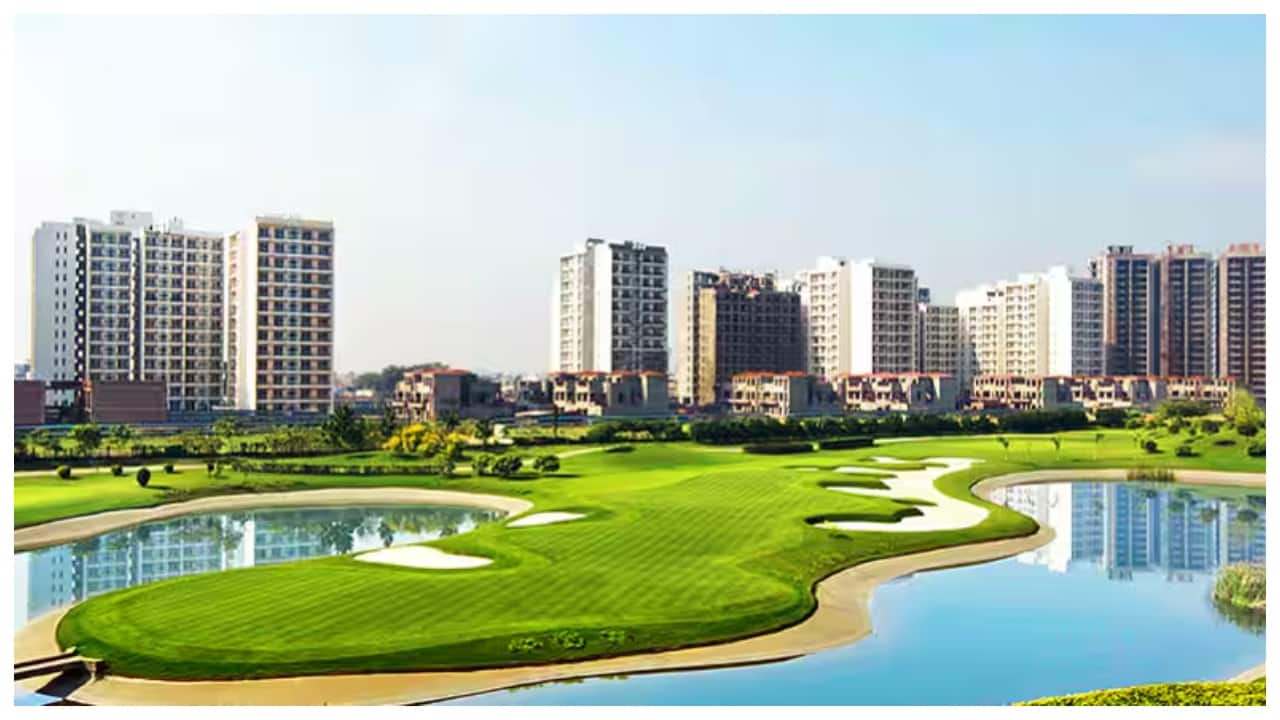
For many homebuyers, the decision to purchase a flat is influenced as much by the promised lifestyle as by the apartment itself. Brochures showcase sprawling clubhouses, landscaped parks, swimming pools, sports facilities and exclusive community spaces. Yet, across several housing projects, buyers later discover that these amenities have been downsized, relocated, commercialised, delayed indefinitely, or in some cases, never delivered at all.
The ongoing dispute involving the Boomerang Club at Jaypee Greens Wish Town in Noida has once again brought the issue into focus. Residents and life members at Jaypee Greens club have alleged that the club marketed as an exclusive lifestyle amenity is being commercially repurposed and operated in a manner different from what was originally promised.
The clubhouse ownership debate
Industry experts say disputes typically emerge when promised facilities are reduced in size, delayed indefinitely, relocated or replaced with different offerings.
A growing source of conflict is also the ownership and management of clubhouses. Developers often continue to retain control over these facilities even after residents move in, arguing that they are separate commercial assets.
Resident groups, however, contend that such facilities were part of the original sales promise and should ultimately come under the control of apartment owners’ associations, RWAs or cooperative housing societies.
Real estate experts say that the issue becomes especially contentious when clubhouses are opened to outsiders or used for commercial activities.
A marketing head with a major developer, pointed out that the developers in stressed projects, like the Jaypee Greens Wish Town project in Noida, could not afford to hand over the clubhouse to the residents, with significant unused FSI at the project that could affect any potential future sales.
According to property experts, developers want to increasingly retain ownership of clubhouses and associated amenities, in order to rake in significant income even from housing societies where nearly all of the inventory is sold out.
"It serves as pure income for developers. In one case, the developer has been known to earn more than Rs 25 lakh per month, by leasing various parts of the clubhouse facilities to different entities, such as the swimming pool to a major swimming academy, or the gym to a major fitness chain," said a Mumbai-based property consultant.
What RERA allows — and what it does not
The Real Estate (Regulation and Development) Act, 2016 (RERA) requires developers to construct projects in accordance with the sanctioned plans and specifications disclosed to buyers.
Legal experts say that any major change to common areas, club or other project-wide amenities requires the consent of at least two-thirds of the allottees. The RERA law was designed to prevent developers from materially altering the product that buyers agreed to purchase.
Reetesh Singh, MD, Realistic Advisory and Consultancy, said that as per RERA laws, the clubhouse is not intended for commercial use in any form.
“Developer charges homebuyers a lifetime membership fee for clubhouses, and this facility is considered an integral part of the common amenities. Residents typically bear the costs associated with maintaining these facilities and therefore commercial exploitation can create conflicts,” Singh told Moneycontrol.
What remedies do buyers have?
Legal experts said that homebuyers could approach state RERA authorities, consumer commissions or civil courts if promised amenities are altered, delayed or commercialised contrary to original commitments.
Ashwani Kumar, a legal expert and consumer rights lawyer, said that in the famous Supertech Twin Towers Demolition case, the main contention was that the builder has earlier promised a park to the residents of the Supertech Emerald Court society but later he constructed two 100-metres tall towers on the land earmarked for the park. Residents went to the Supreme Court and got the towers demolished in August 2022.
“This was a fit case of misuse of the promised facility by the developer. The court held it illegal, which established that changes in building plans, promised amenities and society layouts cannot be done arbitrarily by the developer. Homebuyers can always move court or RERA authorities for redressal of such disputes,” he said.
Legal experts said that marketing brochures, allotment letters, builder-buyer agreements and sanctioned plans often become crucial evidence.
Regulators and courts have increasingly taken the view that amenities promoted during project launches form part of the developer’s obligations rather than mere marketing claims, they said.
(With inputs from Shiladitya Pandit)