
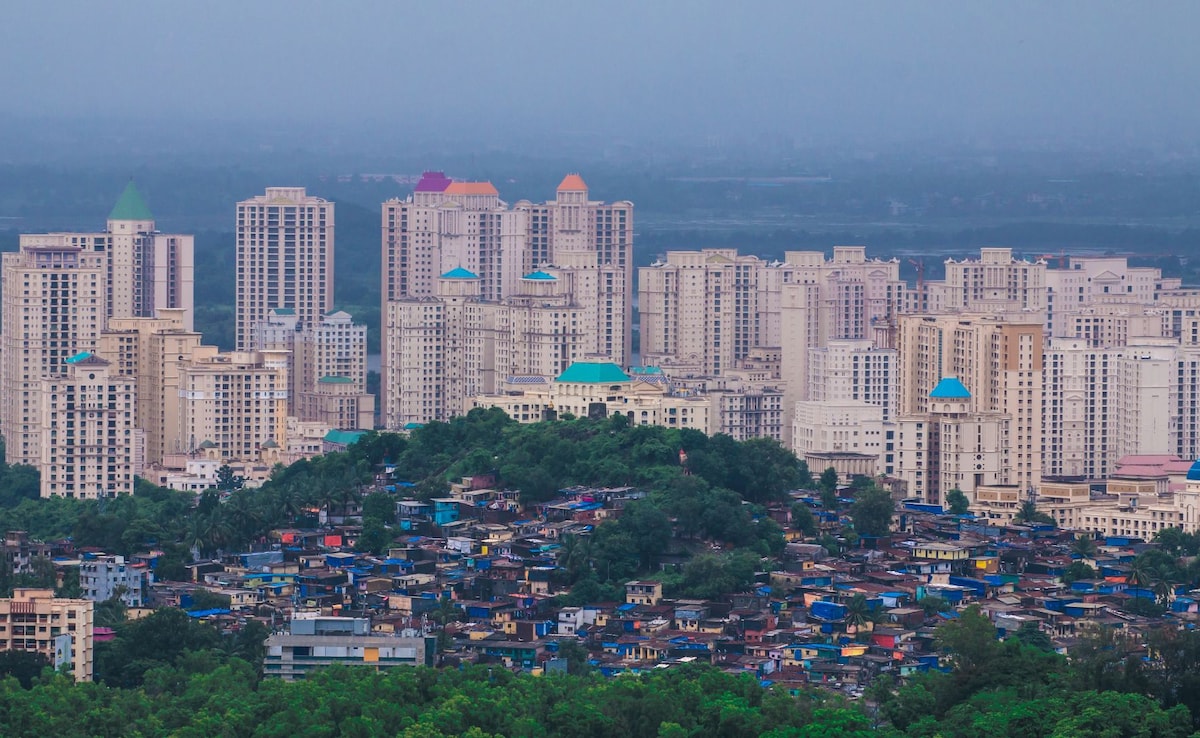
Impact of Iran War on Mumbai's Real Estate Market
The ongoing Iran war is expected to have a significant impact on Mumbai's real estate market, with realtors warning of rising costs, lower demand, and a potential shift in investor sentiment.
Rising Costs and Lower Demand
- Construction costs on the rise: The war has led to a rise in the price of crude oil, steel, and aluminium, resulting in higher construction costs.
- Drop in demand from international players: The war has increased global risk sentiment, leading to a drop in demand for office spaces from international players.
- Liquidity squeeze: The war-induced jitter in global equity markets has led to a liquidity squeeze, making it harder for developers to access funding.
Developers' Strategies
Developers are revising their strategies to cope with the rising costs and lower demand. They may:
- Review project costs: Developers may review their project costs and adjust their pricing strategies to protect their profit margins.
- Purchase inputs in a staggered manner: Developers may purchase their inputs in a staggered manner to protect their interest and mitigate the impact of rising costs.
- Increase selling prices: Developers may increase the selling prices of their projects to protect their profit margins.
Impact on Residential Market
The ongoing war is expected to have a moderate impact on Mumbai's residential market. While demand may be affected, the underlying fundamentals of the market remain intact.
- Structural factors: Urbanisation, building new infrastructure, and demand from end-users are still driving the residential market.
- Investor sentiment: Volatility in the equity markets has prompted investors to reassess their portfolios, leading to a gradual shift towards more stable, tangible assets like real estate.
Shift in Investor Sentiment
The war in Iran may prompt Indians based in the Middle East to explore opportunities in India as part of a broader portfolio strategy.
- Depreciation of the rupee: The depreciation of the rupee has made Indian real estate relatively more attractive from a currency perspective.
- Shift from Dubai to Mumbai: The current geopolitical environment may encourage NRIs to consider allocating a greater share of their capital to India, with Mumbai being one of the most stable and mature real estate markets.
Conclusion
The impact of the Iran war on Mumbai's real estate market depends on how long the conflict remains. Developers may face margin pressure, and buyers may turn more cautious in the mid-income segment. However, the underlying fundamentals of the market remain intact, and the war may prompt a shift in investor sentiment towards more stable, tangible assets like real estate.