
With ₹86,588 crore in projects cleared in 2025, Gurugram cements its place as India's hottest real estate hub-spanning premium homes, IT parks and mass housing
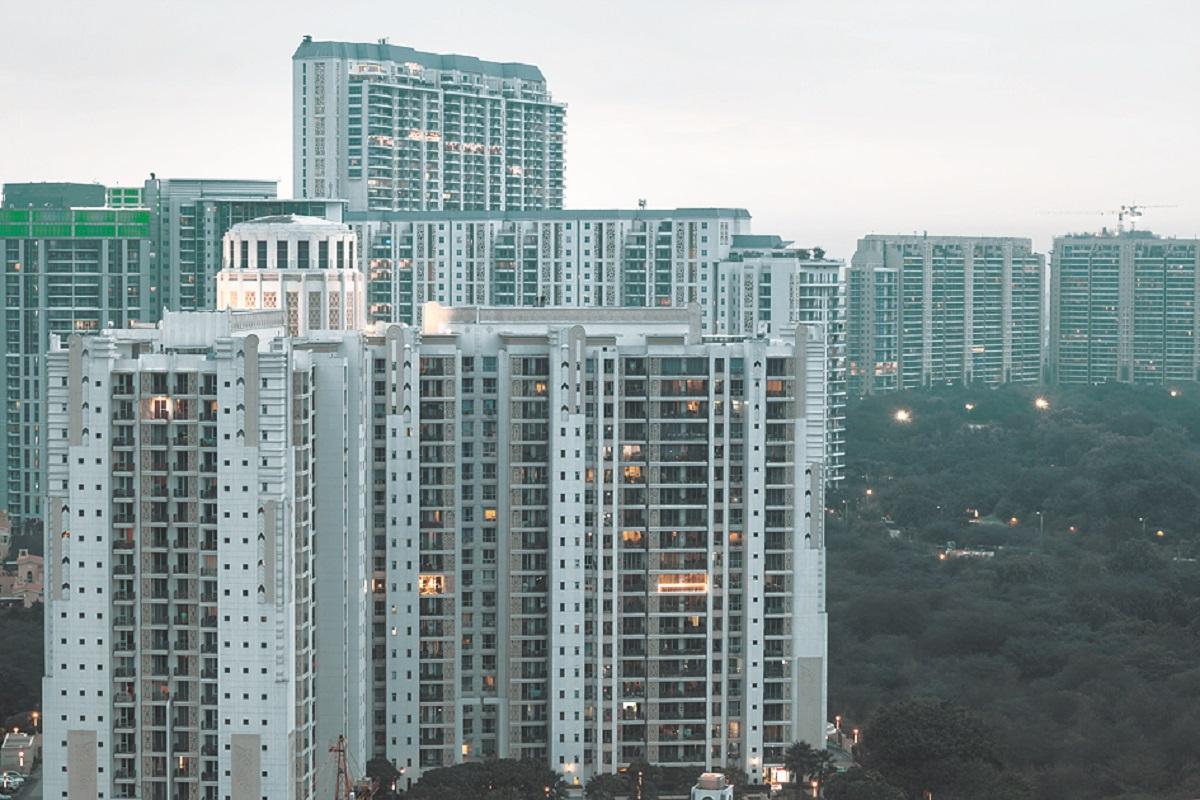
Data released by the Gurugram Rera show that 131 projects were registered in CY2025, translating into development potential of 35,455 units across housing and commercial segments.
Residential assets continued to attract the bulk of investment interest. Of the total units approved, 31,455 were residential, showing sustained end-user demand. This includes 17,405 group housing units, 5,720 mixed land use units, 4,040 residential floor units, 2,122 affordable group housing units, 1,954 Deen Dayal housing units and 214 RPC units.
Market observers said this diversified supply pipeline indicates capital deployment across both premium and mass segments, helping reduce concentration risk and deepen market resilience.
“In 2025, premium residential segments witnessed strong momentum, driven by the advent of branded residences, high-end apartments and gated communities, reinforcing Gurugram’s position as one of India’s most resilient and future-ready real estate markets,” said Sudeep Bhatt, director, strategy, Whiteland Corporation.
Rishi Raj, chief executive officer, Conscient Infrastructure, added that while Delhi-NCR’s residential market has demonstrated maturity, Gurugram has been at the heart of this transformation by delivering an 8 to 10 per cent compound annual growth rate (CAGR), outperforming inflation metrics.
“With this kind of appreciation already realised, the next phase of value creation will be structural and far more selective. The last three years have seen millions of square feet launched across NCR, giving homebuyers unprecedented choice,” he said.
On the commercial side, Gurugram Rera approved about 4,000 commercial units, of which 168 were dedicated to IT parks, reinforcing Gurugram’s position as a preferred hub for technology firms and global capability centres (GCCs).
Notably, just 28 large projects accounted for investments of Rs 59,360 crore across residential and commercial segments, highlighting the concentration of large-ticket investments with large players.
Bhatt said the numbers reflect strong end-user and investor confidence, with regulatory reforms under Rera being a key stimulus, bringing in greater transparency through strict compliance norms, mandatory site inspections and continuous project monitoring.
“This has strengthened trust among high net-worth individuals (HNIs) and non-resident Indians (NRIs), leading to growing NRI participation and rising Indian global clout in real estate investments,” he said.
Experts indicate that the current global political environment, coupled with rupee depreciation, has further enhanced the attractiveness of Indian real estate as a stable, long-term investment destination.